






When someone asks what should be included in a small business plan, I never start with a template. I start with one blunt question: would this plan make a lender, investor, partner, or owner trust the business more?
A strong small business plan should include an executive summary, company description, market analysis, products and services, marketing and sales strategy, operations plan, management structure, financial projections, funding needs, and an appendix.
The U.S. Small Business Administration also lists these core sections in its business plan guidance, including market analysis, organization, product line, marketing, funding request, financial projections, and appendix materials.
Why a Business Plan Needs More Than a Nice Idea
A business plan is not a school assignment. It is a pressure test.
I have seen simple ideas look impressive until the numbers arrive. I have also seen plain ideas become serious businesses because the owner understood customers, costs, delivery, and cash flow. That is why I treat every section as proof.
A good plan should answer three questions. Can this business sell? Can it deliver? Can it survive slow months? If one section cannot support those answers, it needs more work.
Executive Summary: The First Page That Sells the Plan
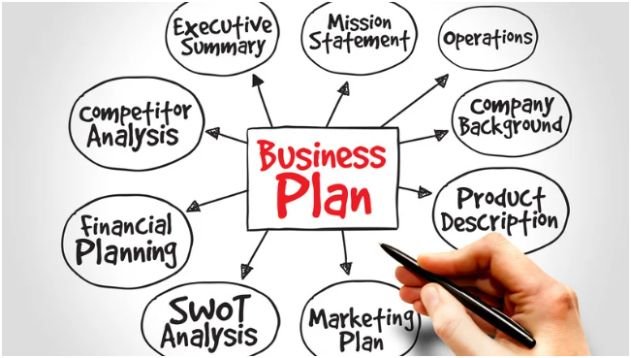
The executive summary is the short version of the whole plan. It should explain what the business does, who it serves, why it can win, and what it needs next.
I write this section last because it should reflect the final strategy, not early excitement. A strong executive summary includes the mission, product or service, target customer, location, ownership snapshot, and basic financial goal.
For example, a mobile car detailing business should not say, “We offer quality cleaning.” It should say it serves busy suburban professionals within a specific metro area, uses subscription packages, and expects repeat revenue from monthly plans. That sounds like a business, not a hobby.
Company Description and Legal Structure
The company description explains the identity of the business. This section should include the registered business name, location, ownership, business model, mission, and the problem being solved.
The legal structure also belongs here. In the U.S., common structures include sole proprietorships, partnerships, corporations, S corporations, and LLCs, while LLC rules can vary by state.
What I Include in This Section
I include the business name, founder background, legal structure, service area, mission statement, and competitive advantage. I also explain why the business exists now.
That “why now” matters. A lawn care business may exist because more homeowners want reliable recurring service. A bookkeeping firm may grow because small businesses need cleaner records before applying for funding. The best company description connects the business to a real market need.
Market Analysis and Competitive Research

Market analysis proves that demand exists. This is where many weak plans fall apart because they describe a customer too broadly.
“Everyone who needs food” is not a target market. “Working parents within 10 miles who buy prepared dinners twice a week” is much stronger.
Use real data where possible. The Census Business Builder provides demographic, economic, and consumer spending data that can support local market research and business planning.
The Demand Proof I Look For
I like to include target customer demographics, buying behavior, local demand, market size, competitor names, price comparisons, and gaps competitors are missing.
Competitive analysis should cover direct and indirect competitors to know if your business idea is profitable. A new coffee shop competes with other cafes, but it also competes with gas station coffee, office machines, and home brewing. That level of honesty makes the plan stronger.
Products and Services Line
This section explains what the business sells and why customers care.
I include the product or service details, pricing model, customer benefits, delivery method, and future improvements. If the business has intellectual property, patents, copyrights, formulas, designs, or licensed processes, I mention them here.
Benefits matter more than features. A cleaning company does not only sell “deep cleaning.” It sells saved time, healthier rooms, and less stress before guests arrive. A tax preparer does not only sell forms. They sell accuracy, deadline confidence, and fewer filing mistakes.
Marketing and Sales Strategy

The marketing plan explains how people will find the business. The sales plan explains how interest turns into money.
A useful marketing and sales strategy should include the unique selling proposition, brand positioning, advertising channels, referral strategy, content plan, sales process, retention plan, and customer follow-up.
The Buyer Journey Test
I use a simple test here. How does a stranger become aware, interested, convinced, and ready to pay?
For a local home service business, that path may start with Google Business Profile, reviews, neighborhood ads, and referral discounts. For an online service, it may include SEO pages, email follow-ups, testimonials, and consultation calls.
Do not say “we will use social media” and stop there. Say which platform, what content, how often, what offer, and how success will be measured.
Operations and Management Plan
Operations explain how the business runs after the sale happens. This section should include daily workflow, staffing, suppliers, tools, location, equipment, inventory, customer service, fulfillment, and quality control.
The management section should explain who makes decisions. Include leadership experience, key roles, hiring plans, advisors, and an organizational chart if the team is larger.
This section protects the plan from looking too theoretical. A bakery needs suppliers, food safety steps, equipment, staff scheduling, and delivery rules. A consulting business needs onboarding, project timelines, client communication, and invoicing systems.
Financial Projections and Funding Needs

Financial projections turn the idea into math. This is the section I review the hardest because it shows whether the owner understands reality.
A complete financial section should include startup costs, monthly expenses, pricing assumptions, sales forecast, profit and loss projection, cash flow forecast, balance sheet estimate, break-even point, and funding request.
The SBA says startup cost estimates help business owners request funding, attract investors, and estimate when they may turn a profit.
My Simple Numbers Check
I use one quick test before trusting projections. I lower expected sales by 20 percent and raise costs by 10 percent. If the business still has a path to survival, the plan is stronger.
For example, if a new service business expects $10,000 in monthly sales, I test the plan at $8,000. If rent, payroll, supplies, loan payments, software, insurance, and marketing still fit, the numbers have breathing room.
This is where funding needs should be specific. Do not write, “We need money to grow.” Write how much is needed, where it will go, and how it supports revenue.
Appendix: The Proof Folder
The appendix holds supporting documents. It may include resumes, permits, licenses, product photos, lease agreements, supplier quotes, letters of reference, credit history, contracts, charts, and research.
I keep this section clean. The main plan should stay readable. The appendix should support claims without overwhelming the reader.
Frequently Asked Questions
1. What are the main sections of a small business plan?
The main sections are executive summary, company description, market analysis, products or services, marketing, operations, management, financials, and appendix.
2. What should a simple business plan include?
A simple plan should include the idea, customer, offer, pricing, marketing method, operating plan, startup costs, and revenue forecast.
3. How long should a small business plan be?
Most small business plans work best when they are clear and complete, usually around 10 to 20 pages depending on the business.
4. What should be included in a small business plan for a loan?
A loan-focused plan should include business details, market proof, owner background, funding request, repayment logic, cash flow, and financial projections.
The Plan Should Sweat Before Your Wallet Does
The smartest answer to what should be included in a small business plan is not just a list of sections. It is proof that the idea can attract customers, make money, operate smoothly, and handle pressure.
I would rather fix a weak plan on paper than pay for mistakes in real life. Before spending on inventory, leases, ads, or hiring, make the plan defend itself. If the numbers, market, and operations still make sense after that test, the business has a much better shot at becoming more than a good idea.