






Most people don’t struggle because they lack motivation. They struggle because they try to change everything at once. One week, they’re determined to wake up at 5 a.m., cook every meal from scratch, work out daily, and cut out every unhealthy habit. By the next week, that momentum has faded, and they’re back where they started.
Real change rarely happens through dramatic overhauls. It usually begins with something so small that it barely feels like a challenge. That’s why lifestyle changes that require little effort often become part of everyday life while ambitious plans quietly disappear. They fit into your routine, ask less of your mental energy, and make consistency feel achievable instead of exhausting.
Why Big Lifestyle Changes Usually Don’t Last
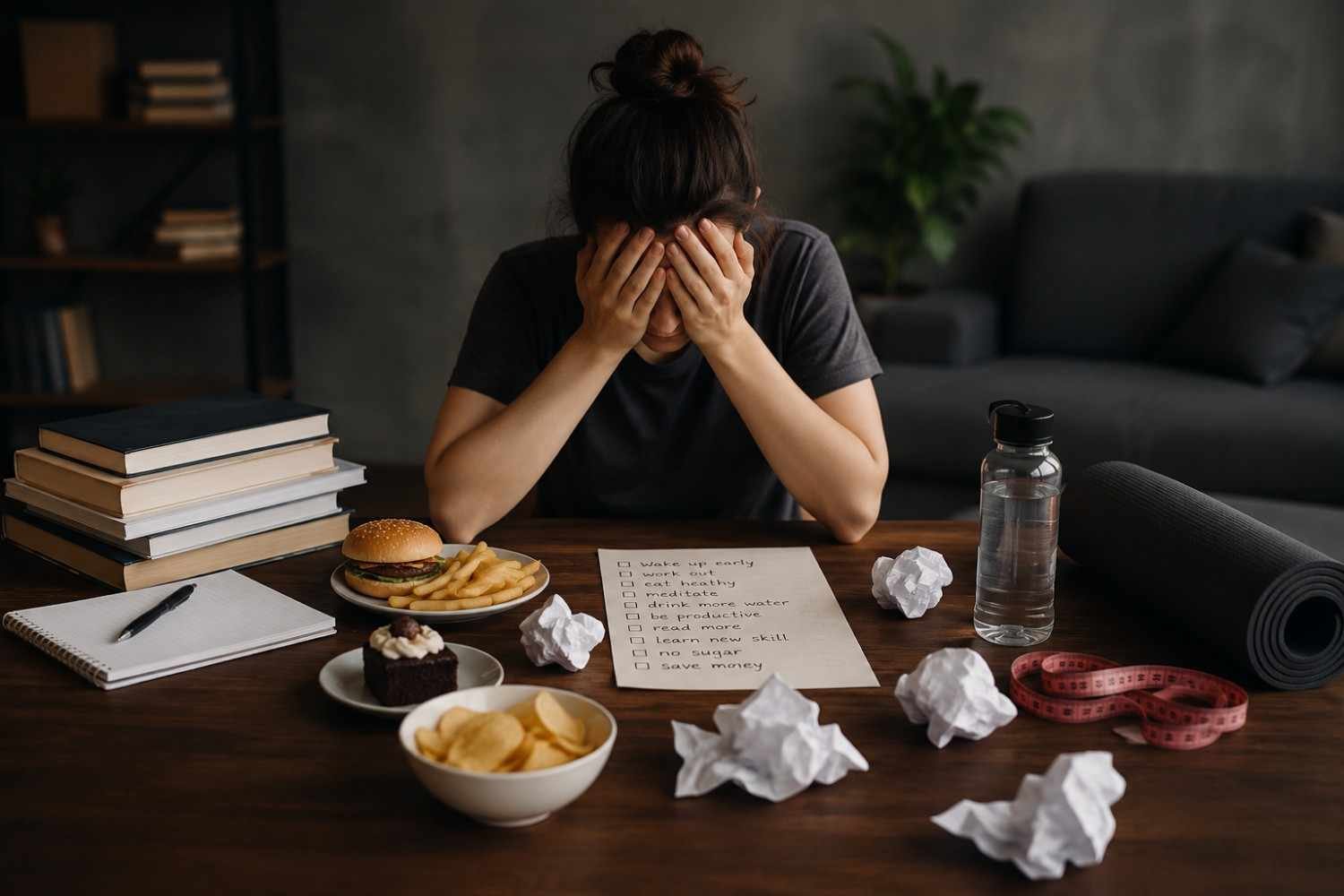
Changing several habits at the same time sounds productive, but it places a heavy demand on your brain. Every new decision requires attention, planning, and self-control. Over time, that constant mental effort creates decision fatigue, making even simple choices feel overwhelming.
Willpower also has limits. You may feel motivated after reading an inspiring story or setting ambitious goals, but motivation naturally rises and falls. If your routine depends entirely on feeling inspired every day, it’s only a matter of time before life gets in the way.
That’s why many people abandon healthy routines—not because they don’t care, but because the plan required more energy than they could realistically maintain.
Why Small Changes Feel Easier to Maintain
Low-effort habits work because they remove unnecessary friction. Instead of forcing yourself into a completely different lifestyle overnight, they blend into what you’re already doing.
Behavior researchers have long observed that people naturally choose the easiest available option. When healthy choices require less effort than unhealthy ones, repeating them becomes much more likely. A five-minute walk after dinner feels manageable. Drinking a glass of water before your morning coffee doesn’t disrupt your schedule. These actions may seem insignificant, but they build momentum.
Another advantage is that they reduce cognitive load. Since they don’t demand constant planning or intense focus, they’re easier to repeat even during busy weeks or stressful periods.
Lifestyle Changes That Require Little Effort but Make a Lasting Difference

You don’t need a complicated wellness routine to notice meaningful improvements. A handful of simple lifestyle changes can gradually improve your physical and mental well-being.
- Drink one extra glass of water each day.
- Walk for five to ten minutes after meals.
- Go to bed 10 to 15 minutes earlier.
- Stretch while waiting for your coffee or tea.
- Keep nutritious snacks where they’re easy to reach.
- Spend a few minutes outside during daylight hours.
- Put your phone away while eating dinner.
- Prepare tomorrow’s essentials before going to bed.
None of these habits requires major planning or expensive equipment. They simply make healthy choices easier to repeat.
The Science Behind Small Habits
The effectiveness of small habits isn’t just based on personal experience. It also aligns with what neuroscience and behavioral psychology have shown about human behavior.
Your brain is constantly looking for ways to conserve energy. Complex routines demand attention from the prefrontal cortex, the area responsible for planning and decision-making. When that part of the brain becomes overloaded, sticking with difficult routines becomes harder.
Small habits avoid that problem. Because they require very little mental effort, they can continue even when you’re tired, busy, or distracted.
This is also where the idea of compounding becomes powerful. A tiny improvement may not seem impressive today, but repeating it every day creates meaningful progress over time. Walking for a few extra minutes, improving your sleep schedule slightly, or making one healthier food choice each day can add up in ways that are difficult to notice in the short term but significant over months and years.
The goal shifts from chasing perfection to building systems that naturally support healthier decisions.
Building Better Habits Without Relying on Motivation

One of the biggest misconceptions about healthy routines is that successful people simply have more discipline. In reality, many of them make good habits easier than bad ones.
Simple strategies can help:
- Pair a new habit with something you already do every day.
- Keep healthy foods visible and convenient.
- Reduce distractions that interrupt your routine.
- Celebrate consistency instead of expecting perfection.
If you’re interested in understanding why gradual progress tends to outperform constant hustle, slow success movement explained offers another perspective on how sustainable habits can create meaningful long-term results without unnecessary pressure.
Over time, these adjustments begin shaping your identity. Instead of trying to force yourself to become a healthier person, your daily actions naturally reinforce that identity.
Frequently Asked Questions: Why Lifestyle Changes That Require Little Effort Often Last the Longest
1. What are lifestyle changes that require little effort?
They are simple daily habits that require minimal time, energy, or planning. Examples include drinking more water, walking after meals, improving sleep by a few minutes, or keeping healthier foods within easy reach.
2. Why do small habits last longer than major lifestyle changes?
Small habits create less mental resistance, require less willpower, and fit naturally into existing routines. Because they’re easier to repeat, they often become automatic over time.
3. How long does it take for a small habit to become routine?
The timeline varies from person to person and depends on the habit itself. Consistency matters more than speed, and repeating a behavior regularly increases the likelihood that it becomes part of your everyday routine.
4. Can small lifestyle changes really improve overall health?
Yes. Consistent improvements in sleep, hydration, physical activity, nutrition, and stress management can positively influence long-term health. Small actions may seem minor individually, but their cumulative impact can be substantial.
Why the Smallest Choices Often Shape the Biggest Results
It’s easy to admire dramatic transformations, but they’re rarely built on dramatic actions alone. Lasting change usually comes from ordinary decisions repeated often enough that they become second nature. When healthy habits fit comfortably into your day instead of competing with it, they stop feeling like another task on your to-do list. That’s when consistency becomes less about determination and more about simply living your life a little differently each day.
You don’t have to change everything tomorrow. Sometimes the smallest step is the one you’ll still be taking a year from now.