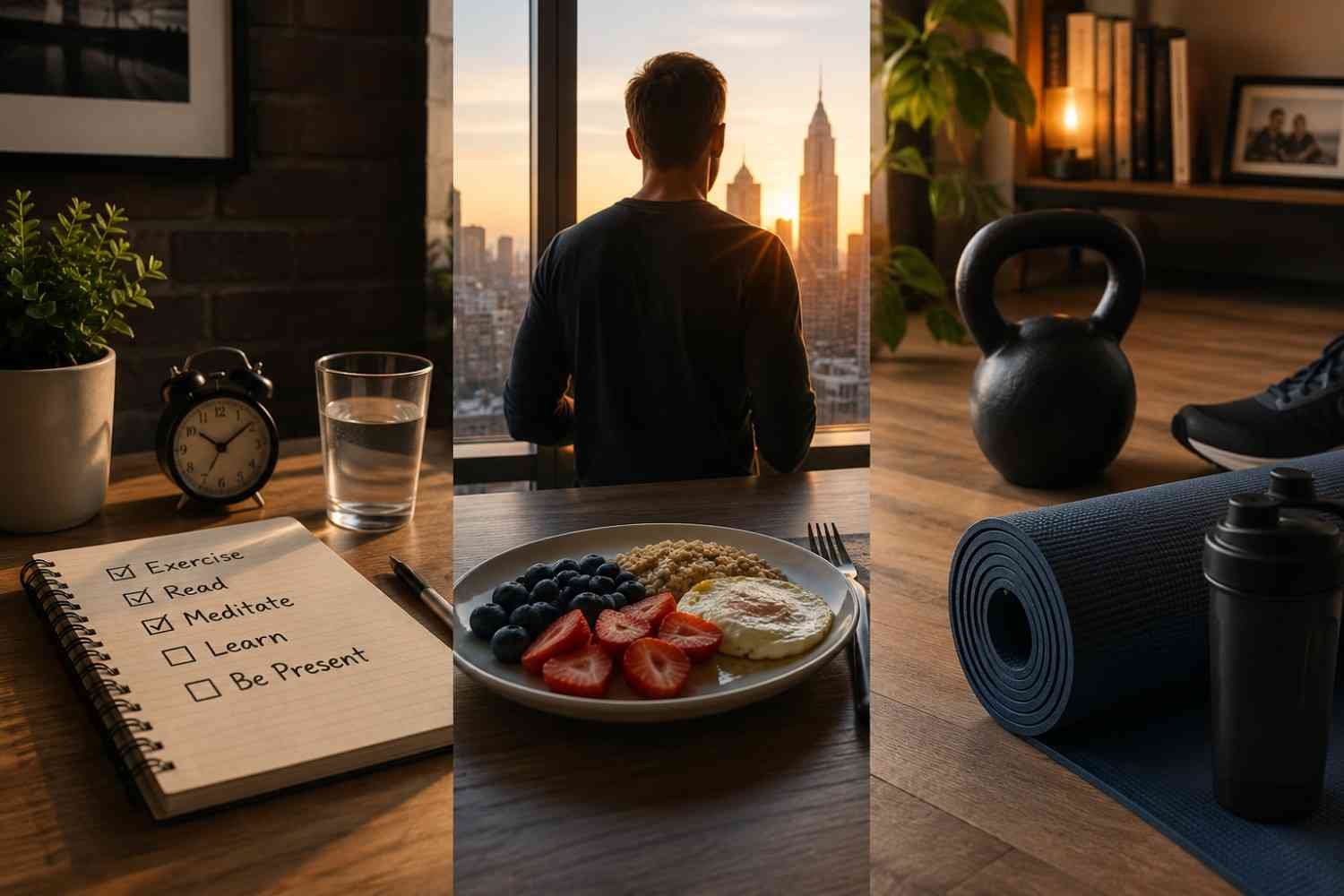






Success used to look surprisingly simple. Work longer hours, stay busy, collect promotions, and keep chasing the next milestone. For years, that formula shaped careers and personal goals. But somewhere along the way, many people started asking a different question: What if success isn’t supposed to feel exhausting all the time?
That’s where the conversation around the slow success movement begins. More professionals, entrepreneurs, creators, and remote workers are choosing a path that values purpose over pressure. Instead of measuring achievement by constant hustle, they’re building careers and lives that can actually last. The goal isn’t to move slowly for the sake of it. It’s to make progress without sacrificing health, relationships, or peace of mind.
What Does the Slow Success Movement Really Mean?

The slow success movement is a mindset that challenges the belief that faster always means better. It encourages sustainable success by focusing on long-term growth, meaningful work, and intentional decisions rather than chasing every opportunity that comes along.
At its core, the movement values quality over quantity. Instead of collecting titles or accomplishments simply because they look impressive, people invest in skills, projects, and relationships that align with their values. Success becomes less about external validation and more about building a fulfilling life.
That doesn’t mean ambition disappears. It simply becomes more thoughtful. Rather than rushing toward every promotion or business opportunity, people ask whether each step supports the life they actually want.
Why Hustle Culture Is Losing Its Grip
For years, hustle culture celebrated being constantly available. Long workdays, packed calendars, and endless multitasking became symbols of dedication. Eventually, many discovered that constant productivity often came at the expense of mental well-being.
Burnout has become one of the biggest reasons people are rethinking how they define achievement. Chronic stress doesn’t just reduce productivity. It affects creativity, decision-making, physical health, and overall job satisfaction. That’s why many professionals are replacing nonstop activity with focused work and healthier work-life balance.
Generational shifts have also played a role. Younger professionals increasingly look for careers that offer flexibility, purpose, and personal growth alongside financial stability. Remote work has reinforced that change by proving that results often matter more than simply being present in an office.
The creator economy has strengthened this perspective as well. Independent creators, consultants, and freelancers have shown that consistent, high-quality work often produces better long-term results than constantly chasing visibility or viral moments.
What Purpose Over Pressure Looks Like Every Day

The slow success mindset isn’t limited to one career path. It influences everyday decisions in practical ways.
Someone might decline a promotion that dramatically increases stress without improving overall happiness. Another person may spend more time mastering one valuable skill instead of jumping between dozens of online courses. A small business owner may choose steady, sustainable growth instead of expanding faster than their team can support.
Even productivity habits begin to change. Deep, uninterrupted work replaces constant multitasking. Clear work boundaries become just as important as meeting deadlines. Rest is viewed as an investment in better thinking rather than something that must be earned after exhaustion.
These choices don’t always produce immediate results. They often create something much more valuable: consistency.
Slow Success Doesn’t Mean Settling
One of the biggest misunderstandings is that slow success means lowering expectations. In reality, it often requires greater discipline.
People practicing intentional success still pursue ambitious goals. They simply avoid sacrificing everything else to reach them. Instead of measuring progress by speed alone, they evaluate whether their work supports long-term career fulfillment, healthy relationships, and emotional resilience.
Periods of stability are no longer viewed as failure. They become opportunities to refine skills, strengthen professional development, and prepare for future growth.
That perspective helps reduce the pressure to constantly compare achievements with carefully curated social media highlights.
Small Changes That Build Sustainable Success
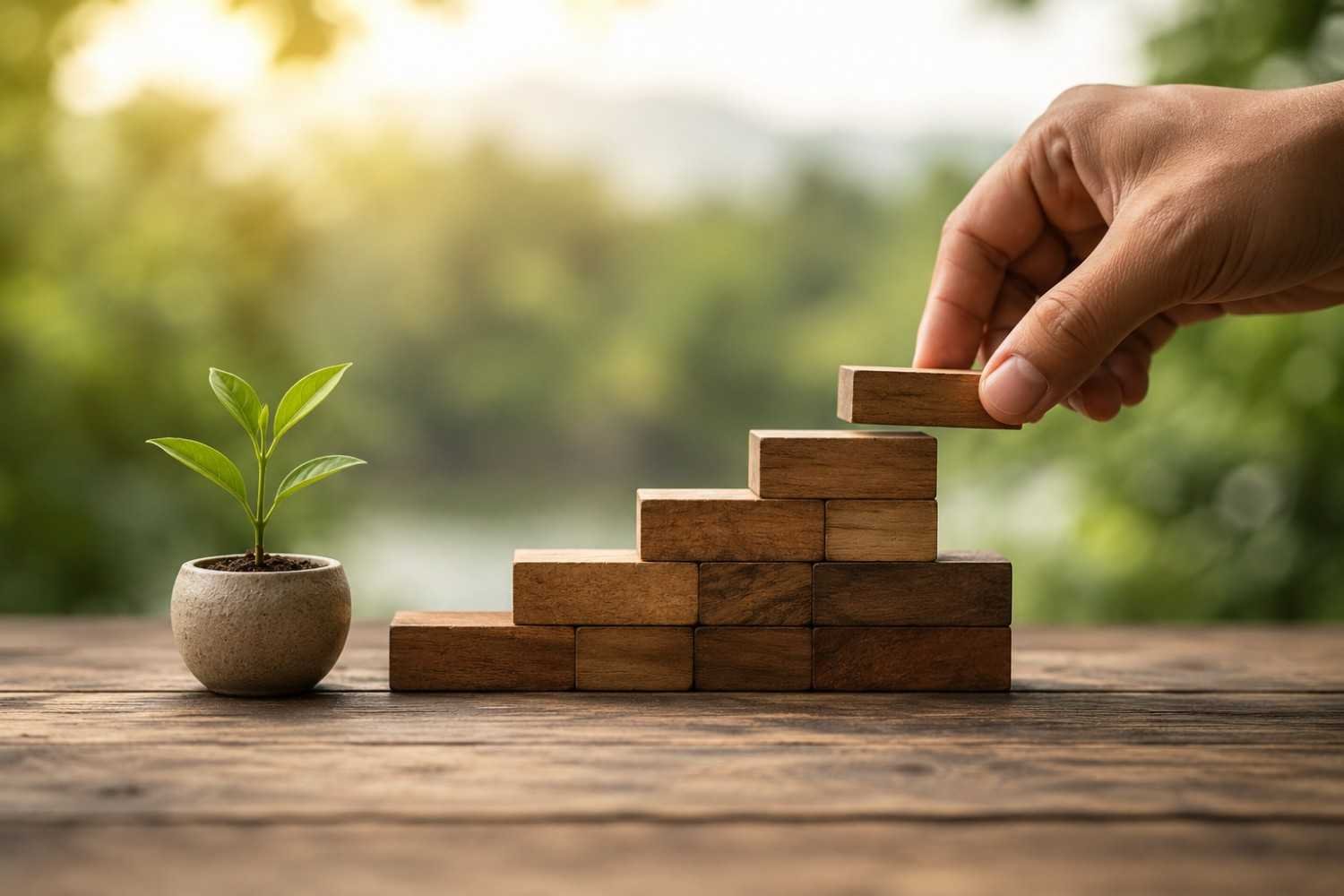
The movement is built on everyday habits rather than dramatic life changes.
- Audit your commitments regularly and remove responsibilities that consume energy without adding meaningful value.
- Set clear start and end times for your workday to protect personal time.
- Celebrate consistent progress instead of waiting for major milestones.
- Focus on mastering fewer skills instead of spreading yourself too thin.
- Accept that some seasons are meant for maintaining momentum rather than accelerating it.
These habits may seem simple, but over time they strengthen decision-making, reduce burnout, and improve the quality of work.
If you’ve been exploring broader lifestyle changes people are making in 2026, you’ll notice that this mindset fits naturally alongside growing interest in intentional living, healthier work boundaries, and long-term well-being instead of constant optimization.
Frequently Asked Questions: Slow Success Movement Explained: The Shift Toward Purpose Over Pressure
1. Is the slow success movement the same as slow living?
No. Slow living focuses on simplifying everyday life, while the slow success movement applies those principles to careers, personal growth, and achieving meaningful goals without constant pressure.
2. Can ambitious professionals follow the slow success mindset?
Absolutely. The movement encourages ambition with intention. It supports long-term career growth while reducing unnecessary stress and burnout.
3. Does slow success lead to better productivity?
In many cases, yes. Deep, focused work often produces higher-quality results than constant multitasking, making productivity more sustainable over time.
4. Who benefits most from this approach?
Professionals, entrepreneurs, freelancers, students, creators, and anyone experiencing burnout or questioning traditional definitions of success can benefit from adopting a slower, more intentional approach.
Why Purpose Has a Longer Shelf Life Than Pressure
The growing popularity of the slow success movement reflects something many people have quietly realized. Chasing bigger titles, faster promotions, and endless productivity doesn’t always create a meaningful life. Sustainable achievement comes from making thoughtful decisions, protecting your energy, and allowing success to grow at a pace you can maintain. The people who thrive over decades are often the ones who understand that fulfillment isn’t measured by how busy they appear but by the quality of the work they create and the life they build around it.
Pressure may produce quick wins, but purpose is what keeps people moving forward long after the excitement fades.