

Food delivery can feel like the easiest answer when the fridge looks empty, work runs late, or cooking feels like one more task you do not have energy for. I get why apps like DoorDash, Uber Eats, and Grubhub become part of the routine. The issue is that a few convenient orders can quietly turn into hundreds of dollars a month.
If you want to know how to stop overspending on food delivery, the smartest move is not banning takeout completely. It is building a simple system that makes home food easier, slows down impulse orders, and helps every delivery purchase feel planned instead of automatic.
Why Food Delivery Apps Make Overspending So Easy
Food delivery apps are built for convenience. Saved cards, one-tap reorders, push notifications, limited-time deals, and delivery subscriptions remove almost every barrier between a craving and a purchase. That convenience is useful when you truly need it, but it can also make food delivery app spending feel normal even when it hurts your budget.
The biggest issue is not always the food. It is the habit loop. You feel tired, hungry, stressed, or bored. You open an app. You scroll through familiar comfort meals. You order. A short time later, food appears at your door. Your brain remembers the relief, not the final cost.
That is why I do not treat delivery overspending as a willpower problem. I treat it as a system problem. If ordering is easier than eating at home, ordering will win.
Start by Calculating Your Real Delivery Cost
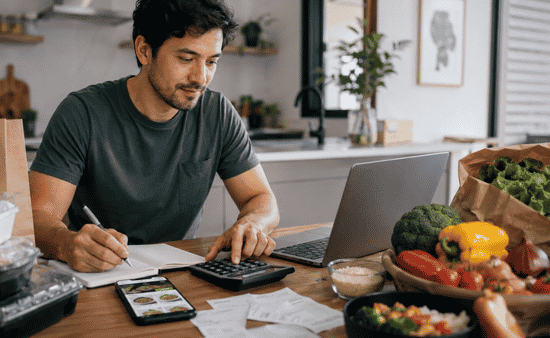
Before you can reduce your food delivery habit, you need to see the real number. I recommend checking your last 30 days of bank and credit card transactions. Add up every DoorDash, Uber Eats, Grubhub, restaurant delivery, and takeout purchase.
Then divide the total by the number of orders. This shows your average cost per order. If you spend $35 per order and order three times a week, that is about $420 a month. Over a year, that becomes more than $5,000. That number can change how you look at “just one quick order.”
This step works because it turns a vague feeling into a clear financial picture. Once I see what delivery costs me in a month, I can decide what amount actually fits my life.
Set a Food Delivery Budget You Can Actually Follow
A food delivery budget works better than saying, “I need to stop ordering takeout.” A clear budget gives you permission and limits at the same time.
Choose a monthly amount for delivery, takeout, coffee runs, and restaurant meals. This becomes your eating out budget. You can also use a dedicated cash allowance, prepaid card, or separate checking account so the limit feels real. When the money is gone, delivery pauses until the next month.
This method removes the daily debate. You do not need to ask, “Can I afford this?” every time you feel hungry. Your budget already answered the question.
Increase the Friction of Ordering
To learn how to stop overspending on food delivery, you need to make impulse ordering less automatic. The easiest way is to delete delivery apps from your phone. If you do not want to delete them completely, remove them from your home screen.
Next, remove saved credit cards from delivery apps and browsers. Typing in payment details creates a small pause before checkout. You can also log out after every order so you must manually sign in next time. That small inconvenience can stop a lot of impulse purchases.
Turn off push notifications too. A coupon alert can create a craving you did not have five minutes earlier. If you want to save money on DoorDash, save money on Uber Eats, or spend less on Grubhub, stop letting the apps decide when you should think about food.
Match the Convenience of Delivery at Home
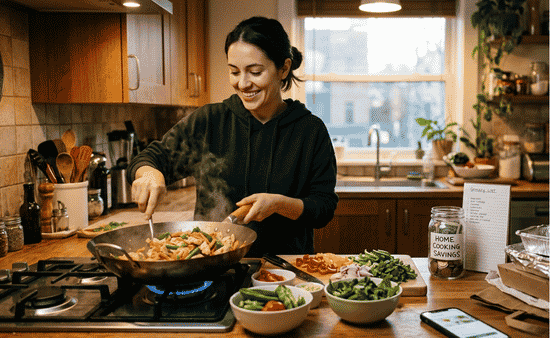
You will not beat delivery with complicated recipes on a tired weeknight. You beat it by keeping easy food ready.
I like to keep emergency meals that cook in under 10 minutes. Rotisserie chicken, frozen pizzas, microwave rice, eggs, pasta, canned soup, salad kits, sandwich ingredients, frozen vegetables, and ready-to-eat grocery meals can all help. These options may not feel fancy, but they are usually cheaper than delivery and much faster than waiting for a driver.
Meal prep to save money does not need to mean spending your entire Sunday cooking. Pre-chop vegetables, cook a batch of rice, portion snacks, or prep one protein for the week. When the hard part is already done, eating at home feels less like work.
Identify Your Takeout Spending Triggers
Most takeout spending habits have a pattern. Maybe you order on late workdays. Maybe lunch delivery happens because you skip breakfast. Maybe weekend delivery becomes a reward after a stressful week.
Track each order for a week and write down what caused it. Was it hunger, stress, boredom, lack of groceries, cravings, or poor planning? Once you know your trigger, you can build a better response.
If your trigger is exhaustion, keep low-effort meals at home. If your trigger is cravings, buy affordable versions of the foods you usually order. If your trigger is payday, set your food delivery budget before the money hits your account.
Gamify Your Savings So You Want to Continue
Saving money feels better when you can see progress. Each time you skip a delivery order, move the amount you would have spent into a rewards account. This can be a savings account for a trip, emergency fund, debt payoff, or something fun.
You can also create a simple monthly challenge. Try cutting your delivery orders in half for 30 days. If you usually order eight times a month, reduce it to four. The goal is not perfection. The goal is proof that you can control the habit.
This turns food delivery savings into a game instead of a punishment.
Optimize the Orders You Still Make
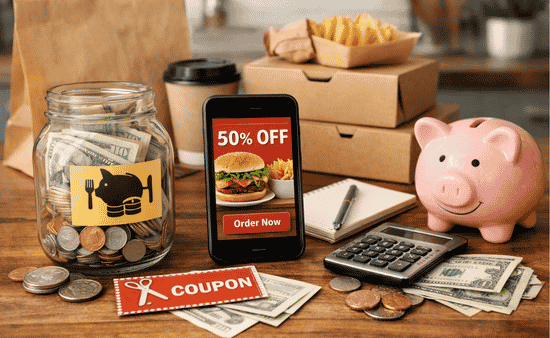
You do not have to quit delivery forever. You just need smarter rules for essential orders. Pickup is often cheaper because it can help you avoid delivery and service fees. Ordering directly from the restaurant may also cost less than using a third-party app.
When you do order, choose larger portions that guarantee leftovers for the next day. A family meal, combo deal, or large entrée can lower the cost per serving. Before checkout, check for active coupons, restaurant rewards, app credits, and credit card offers.
Also review delivery subscriptions. A subscription can save money if you already order often, but it can also encourage more orders because you feel like you should use it. If it makes you spend more overall, cancel it.
This is one of the practical ways to learn how to save money when bills are more than income, as eliminating unnecessary recurring expenses frees up cash for essential needs, helps balance your budget, and reduces financial pressure over time.
Use a Simple No-Delivery Rule
A strict ban usually fails. A realistic rule works better. You might choose no delivery on weekdays, delivery only twice a month, or pickup only unless you are sick, traveling, or dealing with an unusually busy day.
This gives you control without making takeout feel forbidden. You can still enjoy convenience, but you stop letting convenience drain your money.
Frequently Asked Questions (FAQs)
1. What is the easiest way to learn how to stop overspending on food delivery?
The easiest way is to remove saved cards, delete or hide delivery apps, set a monthly food delivery budget, and keep emergency meals at home. This makes ordering harder and eating at home easier.
2. How do I stop ordering DoorDash so often?
Turn off notifications, remove saved payment details, use pickup instead of delivery, and set a rule for how many times you can order each month.
3. Is pickup cheaper than delivery?
Pickup is often cheaper because you can avoid many delivery-related fees and reduce tipping costs. It also helps you keep takeout intentional instead of impulsive.
4. What foods should I keep at home to avoid takeout?
Keep rotisserie chicken, frozen pizzas, eggs, rice, pasta, frozen vegetables, salad kits, sandwich ingredients, and ready-to-eat grocery meals for busy nights.
Final Takeaway
Stopping food delivery overspending is not about giving up every comfort meal. It is about building a better system. When I increase the friction of ordering, match the convenience of delivery at home, gamify my savings, and optimize the orders I still make, I stay in control without feeling deprived.
Food delivery should be a choice, not a reflex. Once you set limits and create easier alternatives, you can enjoy takeout when it truly fits your budget.