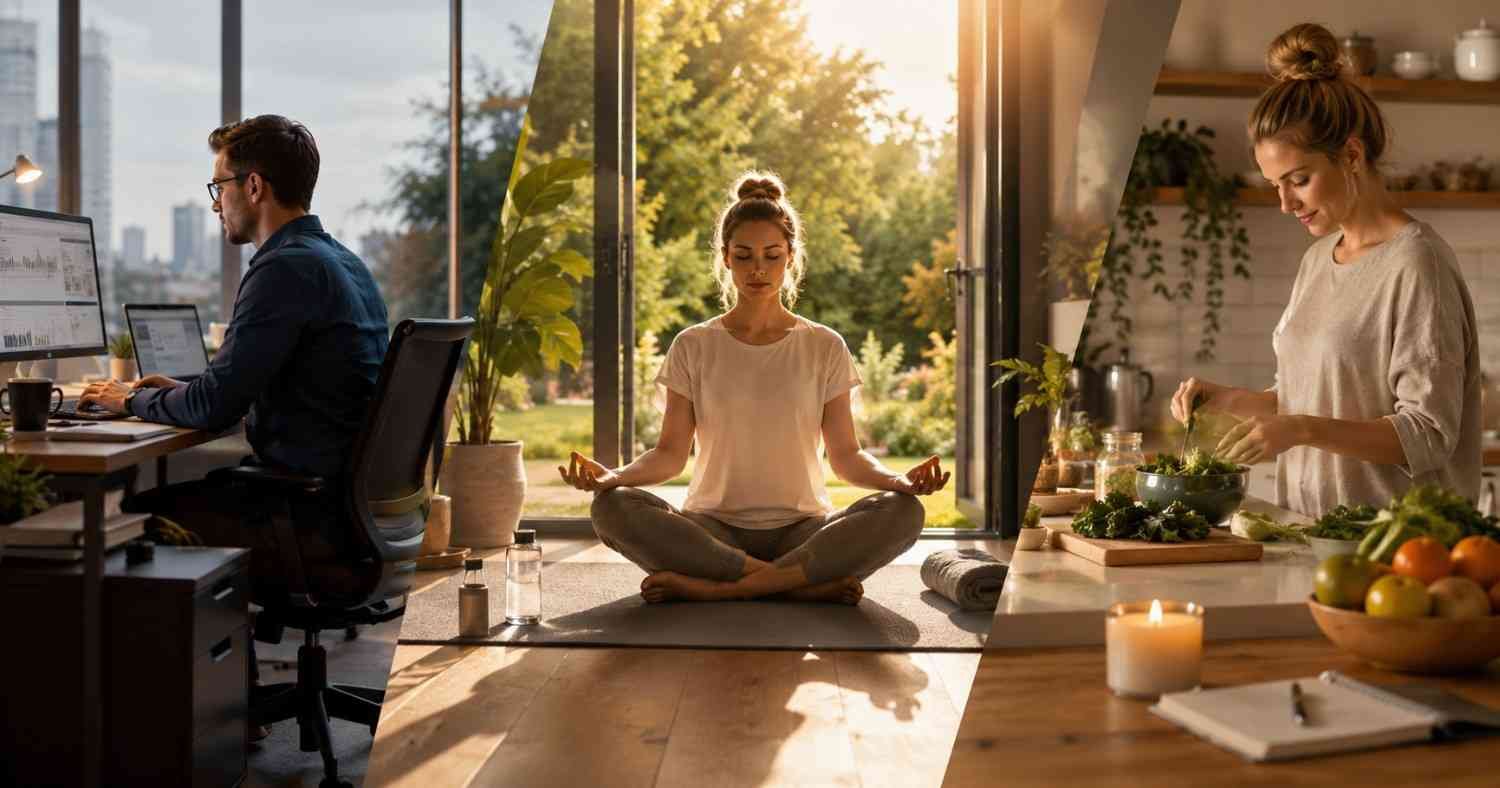





There was a time when Millennials were setting the tone for everything from workplace culture to social media habits. Today, that dynamic has shifted. Gen Z has become the generation shaping conversations around wellness, fashion, finances, and daily routines. What’s surprising is that many of these ideas aren’t staying within one age group. Millennials are adopting them because they make everyday life feel simpler and more intentional.
The biggest lifestyle trends among Gen Z aren’t built around showing off or chasing perfection. Instead, they focus on comfort, mental well-being, mindful spending, and creating healthier routines that actually fit into real life. As economic priorities and personal values continue to evolve, it’s easy to see why these habits are influencing more than just the youngest generation.
Why Gen Z’s Lifestyle Choices Are Catching On
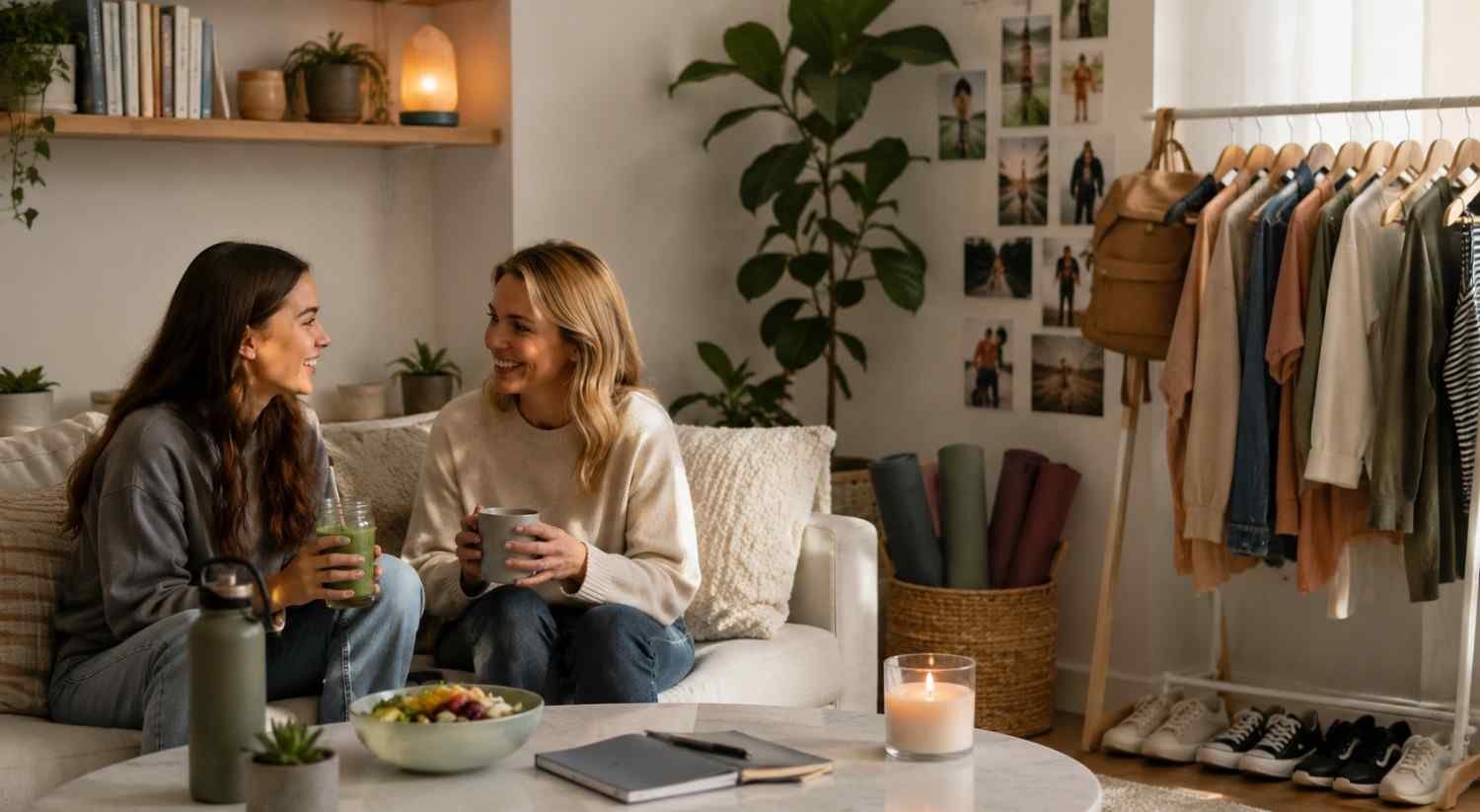
Unlike many trends that disappear within a few months, today’s lifestyle shifts solve real problems. Rising living costs, digital overload, workplace stress, and changing social expectations have encouraged people to rethink how they spend their time and money.
Millennials, who once embraced hustle culture and carefully curated lifestyles, are increasingly choosing habits that prioritize flexibility, authenticity, and balance. Rather than trying to keep up appearances, they’re focusing on what genuinely improves their quality of life.
Comfort Has Become the New Style Statement
Fashion is one of the most visible examples of lifestyle trends among Gen Z. Oversized shirts, wide-leg pants, relaxed denim, cargo trousers, and comfortable sneakers have replaced restrictive clothing for many people.
Millennials, once known for skinny jeans and fitted silhouettes, are embracing this shift because comfort no longer feels like sacrificing style. Shopping decisions are also becoming more thoughtful. Instead of buying several inexpensive pieces, many consumers now consider durability, versatility, and cost-per-wear before making a purchase.
Secondhand shopping has become another defining habit. Vintage stores, resale platforms, and thrift shops are growing in popularity as people look for affordable ways to refresh their wardrobes while reducing unnecessary waste.
Wellness Is Becoming More Preventive
Wellness has moved beyond reacting to illness. Gen Z has normalized the idea of taking care of both physical and mental health before problems become overwhelming.
Daily walks, strength training, quality sleep, mindfulness practices, and balanced nutrition are replacing short-term wellness challenges. Many people also explore supplements like magnesium or creatine after researching their benefits, while others invest in recovery tools that support long-term health rather than quick fixes.
Instead of chasing unrealistic fitness goals, the emphasis has shifted toward building habits that feel sustainable. These are practical ways to enjoy a healthier lifestyle without completely changing everyday routines.
Mental Well-Being Comes Before Constant Productivity

One of the biggest differences between generations is how they define success. Gen Z openly discusses mental health, emotional wellness, and healthy boundaries, making these conversations more accepted in workplaces and personal relationships.
Millennials are beginning to adopt similar habits by limiting after-hours work, reducing unnecessary commitments, and making time for recovery. Activities like journaling, meditation, reading, or simply spending an evening away from notifications are becoming regular parts of healthy routines.
Rather than celebrating burnout, many now believe that protecting mental well-being leads to better performance in every area of life.
Spending Is Becoming More Intentional
Financial wellness has become just as important as physical health. Economic uncertainty has encouraged both generations to think carefully about where their money goes.
Instead of buying expensive status symbols, many people now practice mindful spending. They choose quality products they will use regularly while avoiding unnecessary purchases that quickly lose value.
This mindset has also introduced the idea of “treatonomics.” Rather than saving exclusively for major luxury purchases, people budget for smaller experiences that bring everyday enjoyment. A specialty coffee, a premium fitness class, or a favorite skincare product can feel more rewarding than constantly chasing bigger purchases.
Digital Habits Are Changing
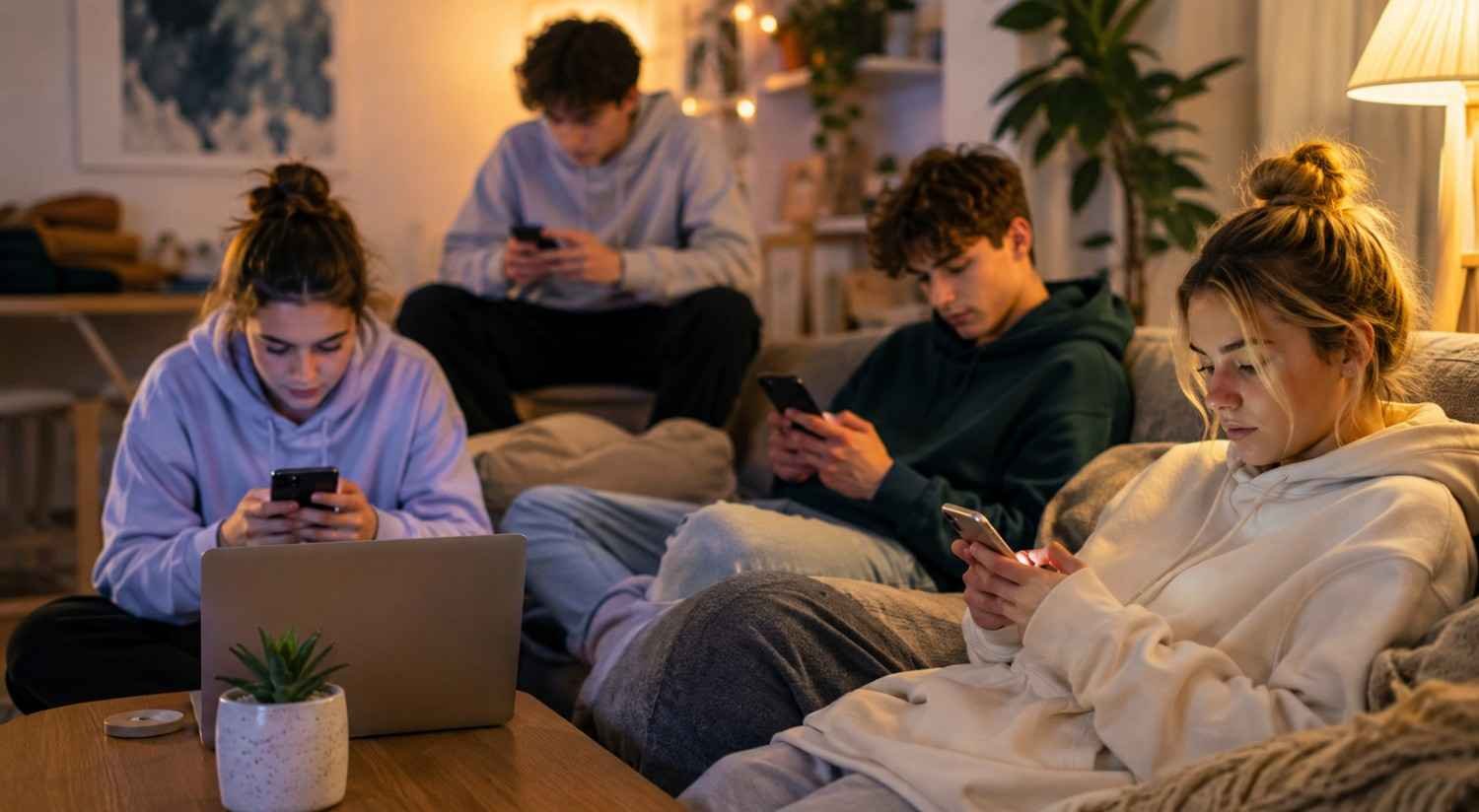
Growing up online has taught Gen Z that unlimited screen time isn’t always healthy. As a result, digital wellness has become one of the fastest-growing lifestyle trends.
Many Millennials are following similar habits by reducing notifications, limiting social media use, and creating screen-free time during meals or before bed. These small adjustments often improve sleep quality, reduce stress, and create more meaningful face-to-face conversations.
Technology remains essential, but people are becoming more intentional about how and when they use it.
Experiences Matter More Than Possessions
Another noticeable shift is the growing preference for experiences over collecting more things.
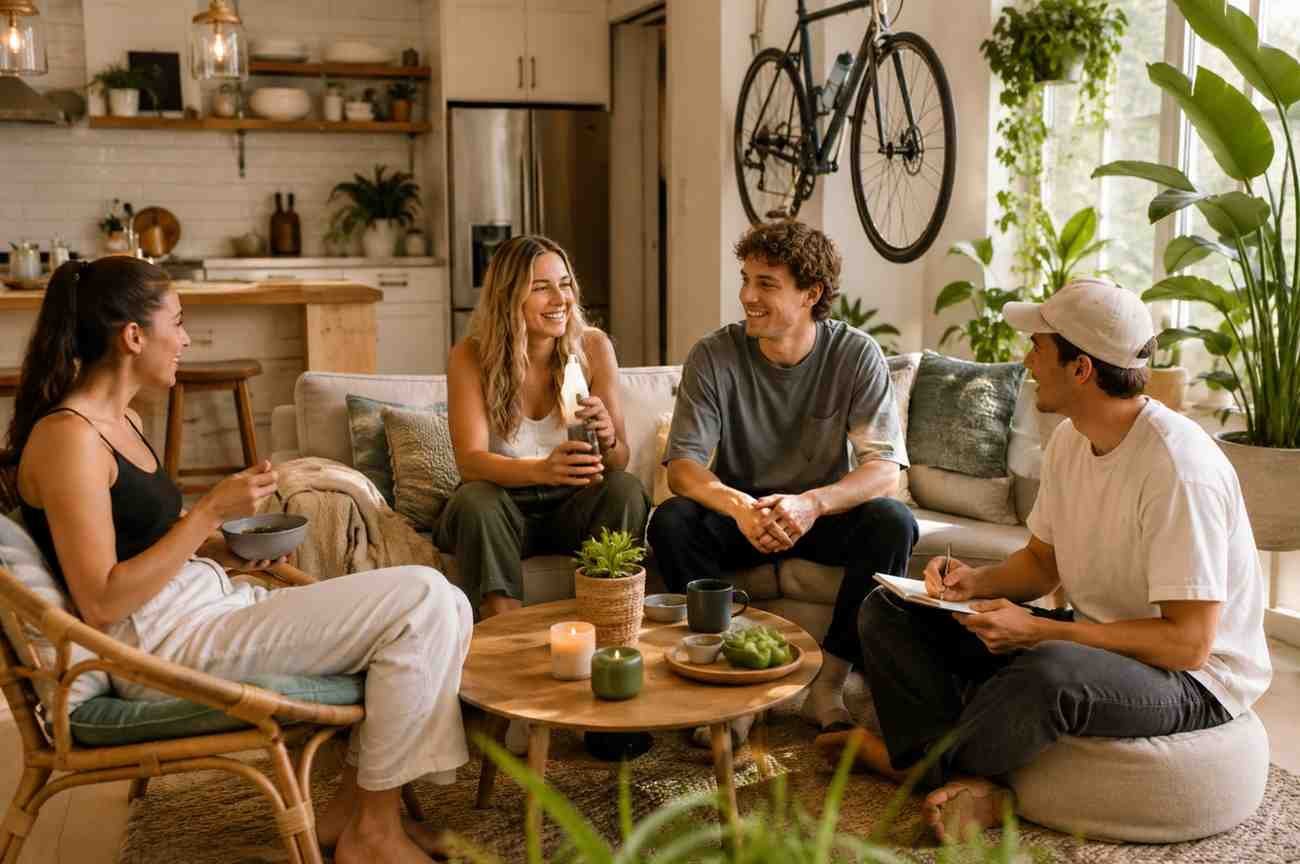
Weekend trips, local events, hobby groups, fitness communities, and volunteer activities are becoming more appealing than constantly upgrading material possessions. These experiences often strengthen relationships while supporting emotional well-being in ways that purchases cannot.
This change reflects a broader move toward intentional living, where happiness is measured less by ownership and more by meaningful moments.
FAQs: Lifestyle Trends Among Gen Z That Millennials Are Starting to Follow
1. What are the biggest lifestyle trends among Gen Z?
Gen Z is embracing mindful spending, digital wellness, preventive health, sustainable fashion, and mental well-being as everyday priorities.
2. Why are Millennials following these trends?
Many of these habits reduce stress, support better work-life balance, and offer practical solutions to modern financial and personal challenges.
3. Is thrift shopping still growing in popularity?
Yes. More consumers are choosing secondhand clothing because it saves money, extends product life, and encourages more thoughtful purchasing decisions.
4. Which Gen Z trends are likely to last?
Habits centered on wellness, intentional spending, flexible lifestyles, and authentic living are expected to remain relevant because they solve real everyday problems.
Why These Habits Feel Less Like Trends and More Like Everyday Life
The most influential lifestyle trends among Gen Z aren’t changing people’s lives because they’re fashionable they’re gaining momentum because they feel practical. Whether it’s choosing comfort over appearance, protecting mental health, shopping more intentionally, or spending less time online, these habits reflect a growing desire for balance instead of constant pressure.
As Millennials continue adopting these ideas, it’s becoming clear that the future of healthy living is less about following trends and more about building routines that genuinely last.