




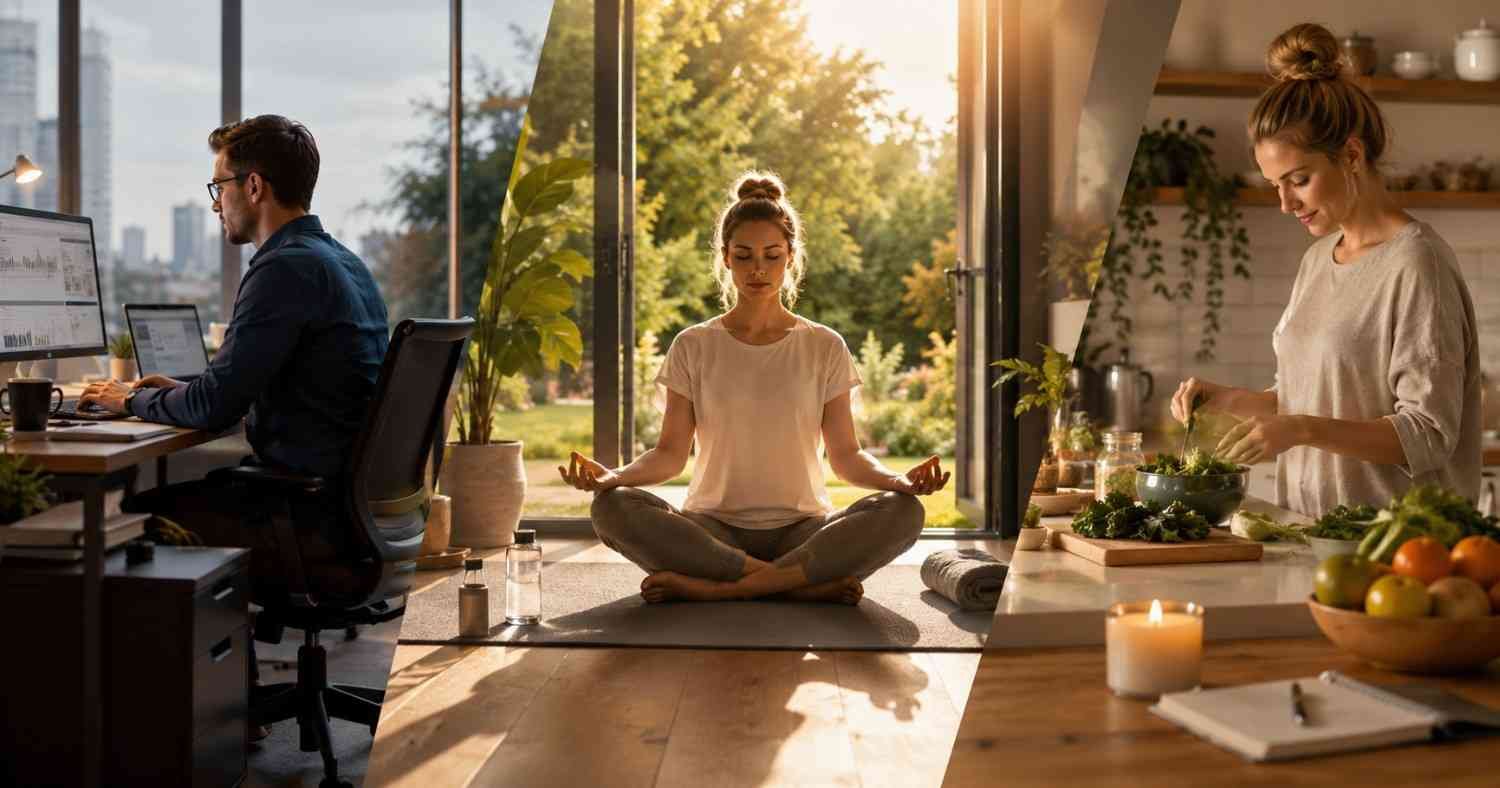
A few years ago, productivity was the goal. People packed their calendars, answered emails late into the night, and measured success by how busy they looked. Today, that mindset is starting to fade. More people are realizing that staying constantly occupied doesn’t always lead to better health, stronger relationships, or lasting happiness.
That’s why the biggest lifestyle changes people are making in 2026 look different. They’re less about dramatic makeovers and more about building routines that feel realistic. Work, wellness, finances, technology, and community are no longer separate parts of life. Instead, they’re becoming connected pieces of the same puzzle, helping people create healthier days without chasing perfection.
Why 2026 Feels Like a Turning Point?
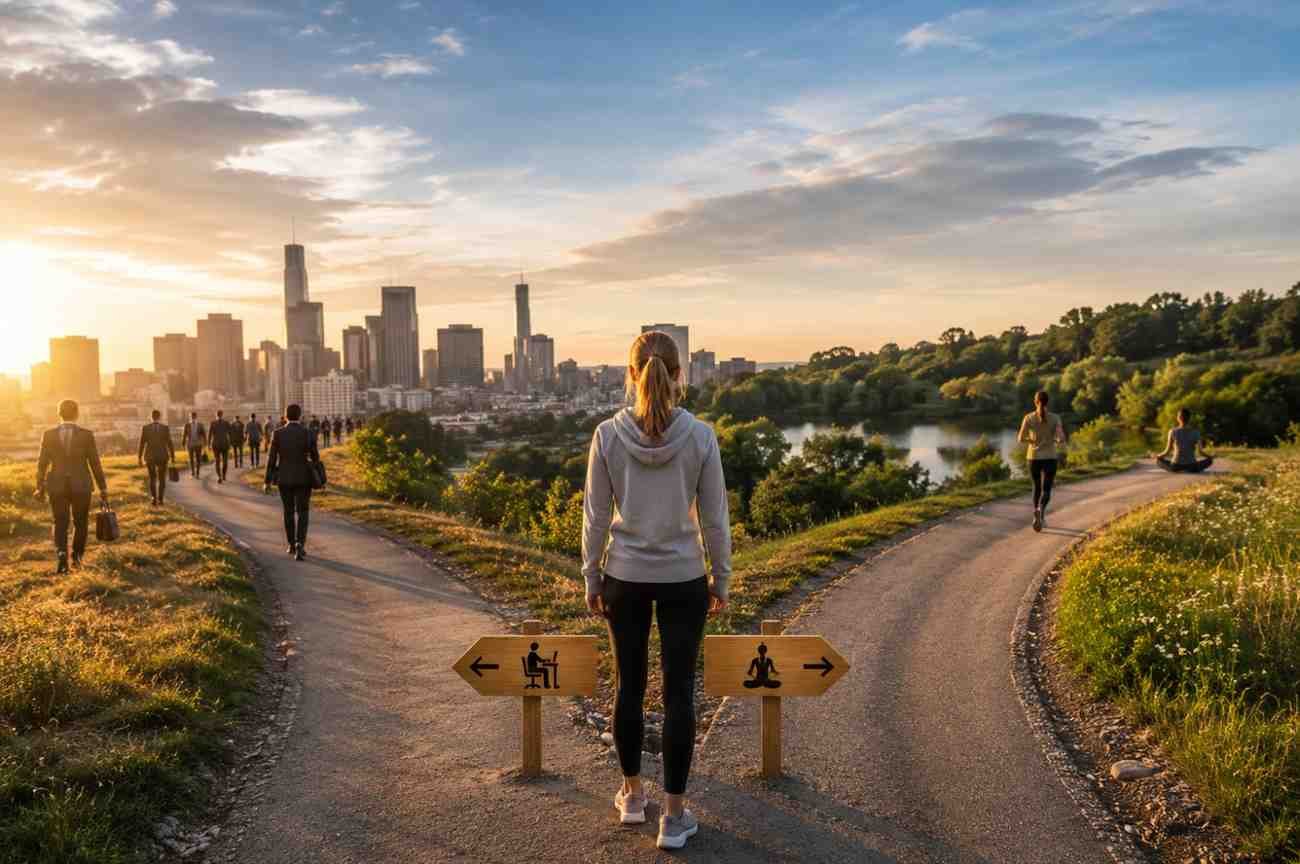
The conversation around healthy living has shifted beyond diets and gym memberships. People are paying closer attention to sleep quality, mental well-being, financial security, and work-life balance because each one affects the others.
Rather than searching for quick fixes, many are choosing habits they can maintain for years. That focus on consistency is shaping some of the most noticeable lifestyle changes people are making in 2026, and it’s changing how daily routines look at home and at work.
Flexible Work Is About Freedom, Not Location
Remote work may have started the conversation, but flexibility has become much bigger than working from home. Employees increasingly value having control over their schedules, making it easier to attend appointments, exercise during the day, or simply take meaningful breaks.
Many workplaces are also introducing meeting-free hours and encouraging uninterrupted focus time. These changes reduce digital fatigue while giving employees more room to recharge. Instead of constantly reacting to notifications, professionals are creating healthier boundaries between work and personal life.
Mental Fitness Is Becoming a Daily Habit
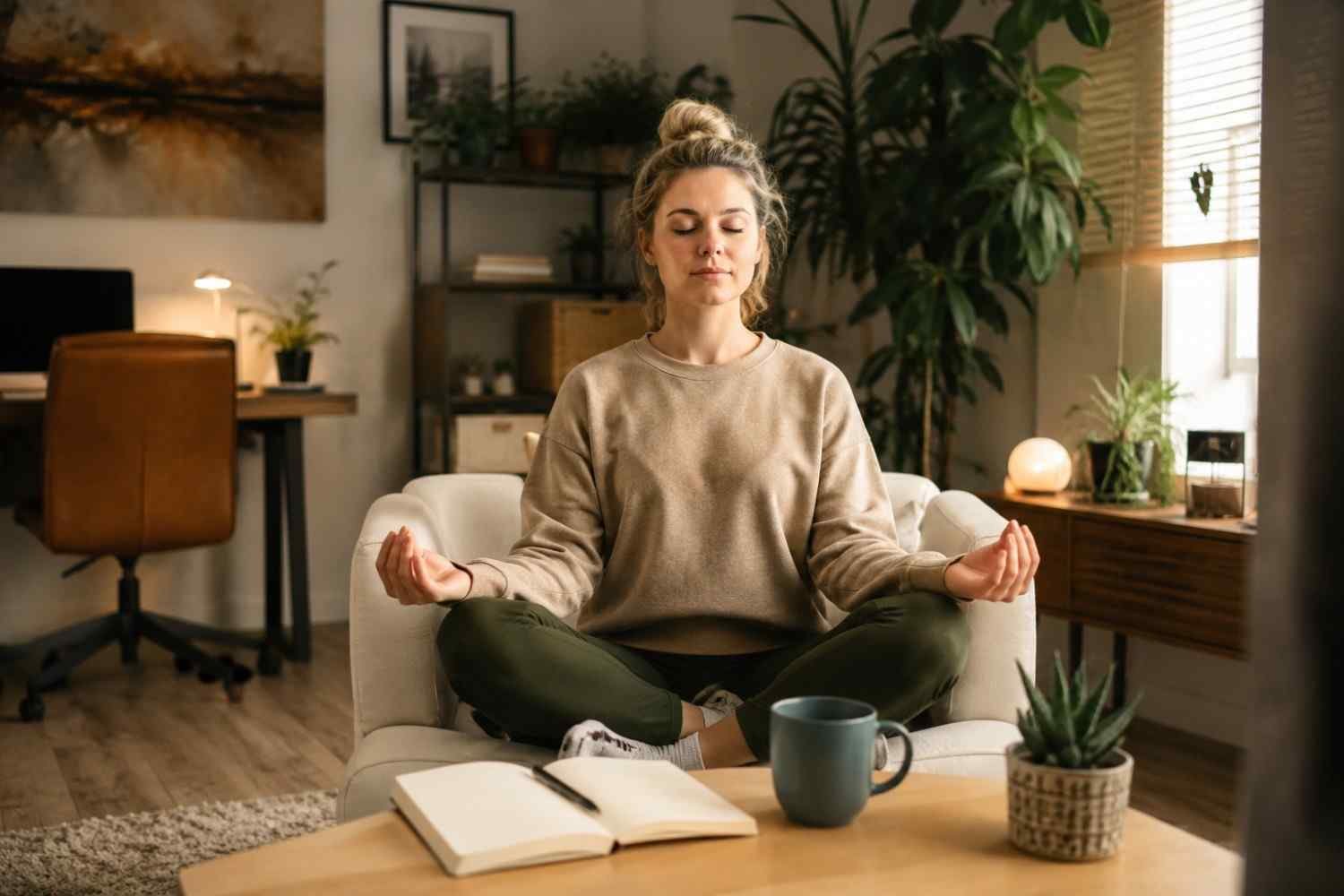
Mental health is no longer something people think about only during stressful moments. In 2026, many are treating mental fitness the same way they approach physical fitness through regular practice.
Simple habits like breathing exercises, mindfulness sessions, journaling, and intentional rest have become part of everyday routines. Some people also use biofeedback apps or guided relaxation techniques to better understand how their bodies respond to stress.
The goal isn’t eliminating stress completely. It’s building resilience so everyday challenges feel more manageable without leading to burnout.
Smarter Fitness Is Replacing Extreme Workouts
Fitness trends continue to evolve, but the biggest change is sustainability. Instead of chasing exhausting workout routines, many people are focusing on exercises they can continue for decades.
Strength training has become a priority because it supports muscle health, bone density, and mobility as people age. Moderate-intensity cardio, including Zone 2 training, has also gained attention for improving heart health without placing excessive strain on the body.
Exercise has become more social as well. Local running groups, recreational sports leagues, and community fitness events encourage people to stay active while building meaningful connections.
Nutrition Is Focused on Long-Term Health
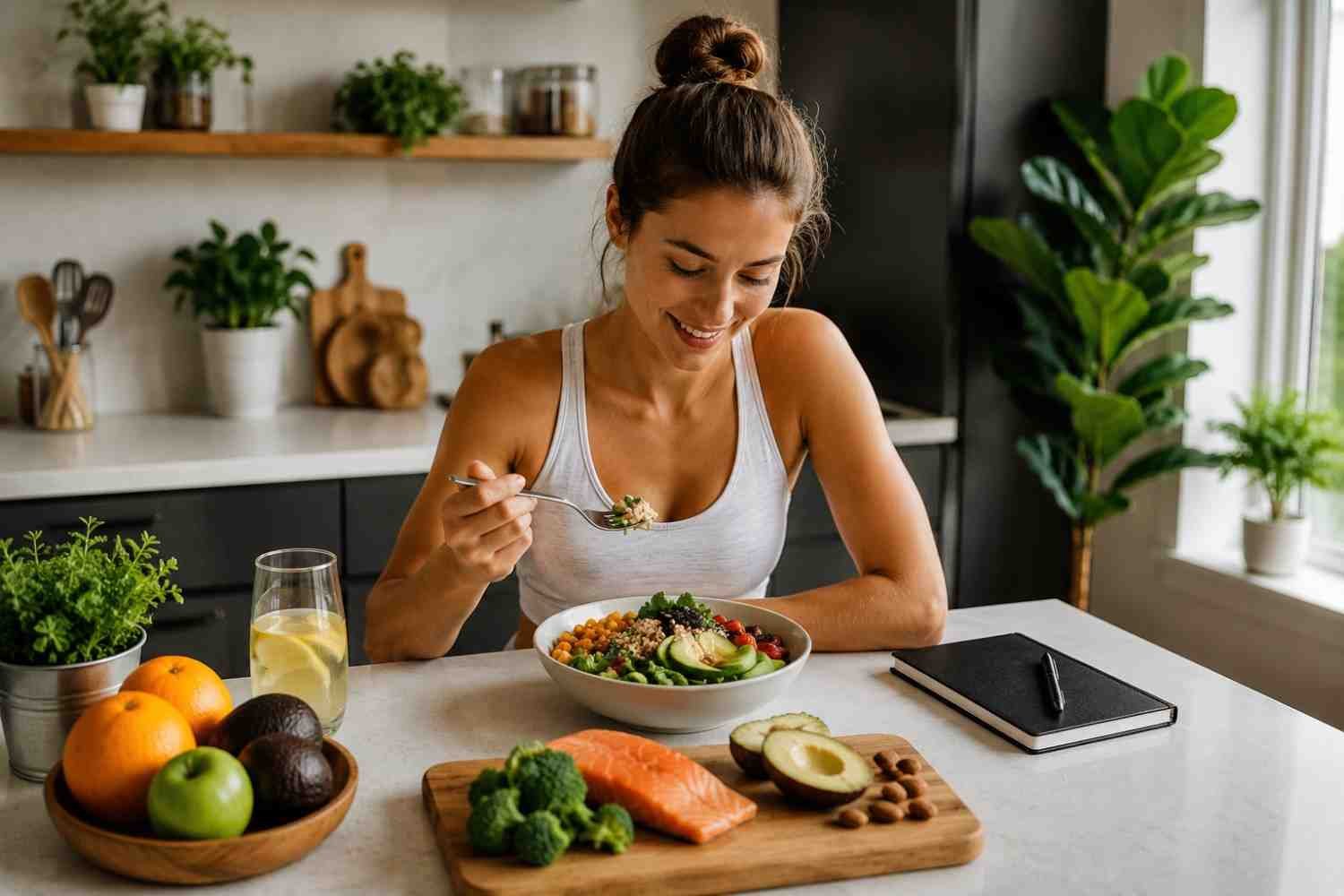
Healthy eating looks more practical than it did just a few years ago. Rather than following restrictive diets, people are choosing foods that support steady energy, metabolic health, and overall well-being.
Meals built around lean protein, vegetables, whole grains, healthy fats, and fiber help reduce energy crashes throughout the day. Functional foods, protein-rich snacks, and hydration-focused beverages have also become more common as people look for convenient ways to support healthier routines.
Instead of aiming for perfect nutrition, the focus is on making better choices most of the time.
Technology Is Being Used More Intentionally
Technology continues to play an important role in work and everyday life, but people are becoming more selective about how they use it.
Many now set notification limits, avoid checking work emails after hours, or create screen-free periods before bedtime. These simple changes improve sleep quality, reduce stress, and create more opportunities for face-to-face conversations.
Digital wellness isn’t about rejecting technology. It’s about making sure technology serves people instead of constantly demanding their attention.
Financial Wellness Is Part of Everyday Well-Being

Money has become a much bigger part of the wellness conversation. Financial stress affects sleep, relationships, and mental health, making it difficult to maintain other healthy habits.
That’s why more people are building emergency savings, planning for retirement, reducing unnecessary spending, and making thoughtful purchasing decisions. Instead of buying more, many are asking whether a purchase truly adds value to their daily lives.
Financial confidence doesn’t solve every problem, but it creates stability that supports healthier living overall.
Stronger Communities Are Making a Comeback
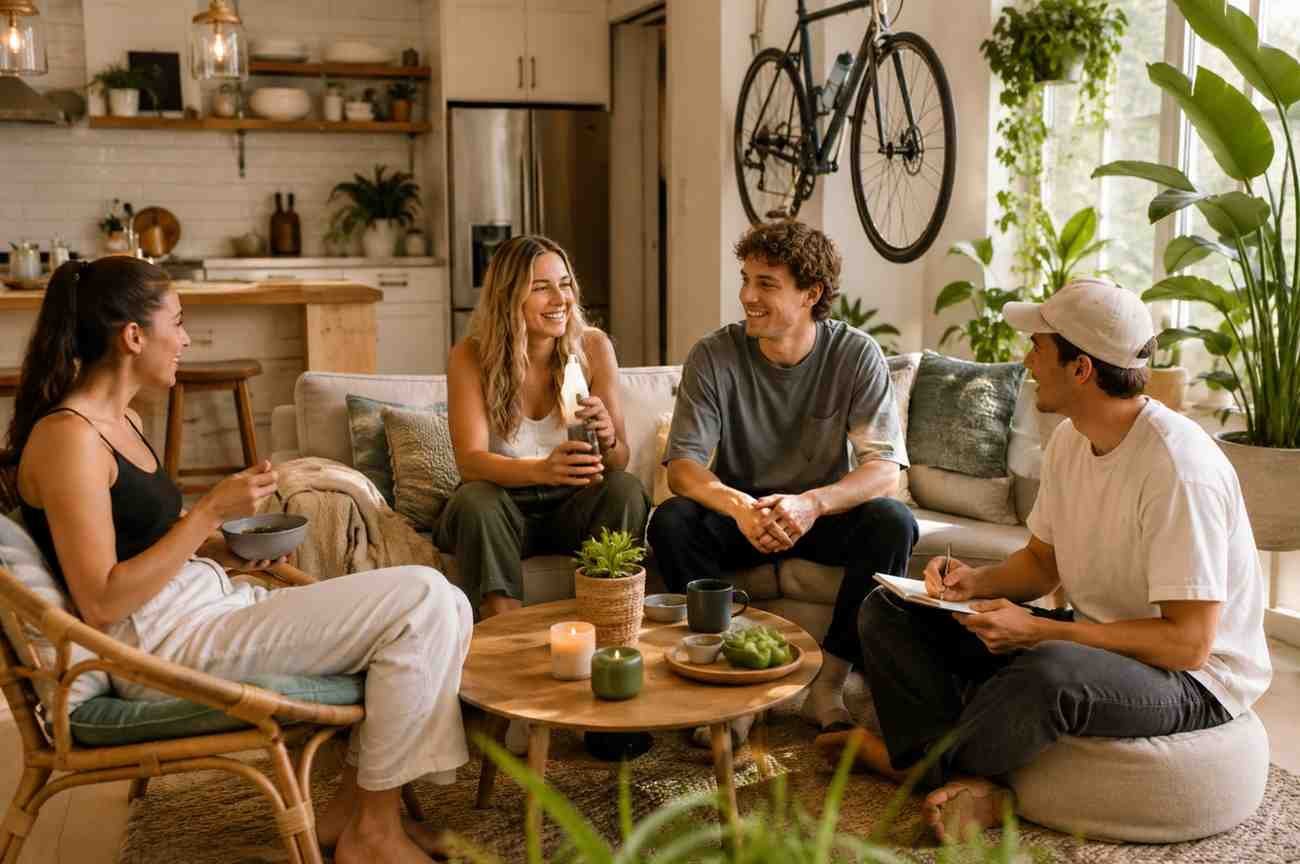
One of the most encouraging lifestyle trends in 2026 is the renewed focus on community. People are recognizing that wellness isn’t only personal it also depends on feeling connected.
Joining local clubs, volunteering, attending neighborhood events, or simply spending more time with family and friends helps reduce loneliness while improving emotional well-being. These relationships often become the foundation for healthier habits that last much longer than individual motivation.
FAQs: From Work to Wellness: Lifestyle Changes People Are Making in 2026
1. What are the biggest lifestyle changes people are making in 2026?
People are focusing on flexible work, mental fitness, sustainable exercise, balanced nutrition, financial wellness, and stronger personal relationships instead of chasing short-term trends.
2. Why is work-life balance becoming more important?
Many professionals recognize that flexible schedules, healthy boundaries, and regular breaks improve productivity while reducing stress and burnout over time.
3. How has wellness changed compared to previous years?
Wellness now includes sleep, emotional health, financial stability, community, and everyday routines rather than focusing only on fitness or dieting.
4. Which of these lifestyle changes are likely to last?
Habits built around consistency, realistic goals, and long-term health are more likely to continue because they’re easier to maintain in everyday life.
The Small Habits That Shape the Biggest Changes
The lifestyle changes people are making in 2026 aren’t driven by one major breakthrough. They’re the result of small, intentional choices repeated every day. Whether it’s creating healthier work boundaries, exercising for long-term strength, spending more time offline, or building stronger relationships, these habits reflect a growing understanding that balance is more valuable than being constantly busy.
The future of wellness isn’t about doing more. It’s about making everyday life work better.