




Learning how to start a small business with limited money is not about pretending money does not matter. It is about spending only where speed, trust, or sales improve. When I start lean, I do not ask, “What can I buy?” I ask, “What can I sell first?”
That mindset changes everything. A small budget becomes less scary when the first goal is not a perfect brand, office, inventory shelf, or fancy software stack. The first goal is proof that someone will pay.
The U.S. Census Bureau reported 523,971 seasonally adjusted business applications in May 2026, showing that many people are still trying to build something of their own. The smarter move is to enter that crowd with a lean plan, not a spending habit.
Start With a Business Model That Does Not Eat Cash

The fastest way to waste limited money is choosing a business that needs rent, staff, inventory, equipment, and heavy ads before one customer pays. I prefer models where skill, time, or creativity does most of the early lifting.
The SBA separates startup planning into steps like market research, startup cost calculation, structure, registration, permits, tax IDs, bank accounts, and insurance. That framework matters because every business has costs, even when it starts small.
Service Businesses
Service businesses are often the cleanest path when money is tight. Writing, cleaning, lawn care, tutoring, social media management, bookkeeping support, consulting, pet sitting, and local handyman services can start from home.
The advantage is simple. You sell time and skill before buying much. A basic landing page, a clear offer, and direct outreach can bring the first customer faster than months spent building a complicated brand.
If I had only $100, I would start with a service before inventory. I would spend on a domain, simple business cards or flyers, and maybe one small local ad test. Everything else would come from direct messages, referrals, and follow-up.
Digital Products
Digital products work well when you already know a problem deeply. Templates, ebooks, spreadsheets, mini-courses, checklists, and guides can be made once and sold many times.
The risk is that people often create first and validate later. I would reverse that. Before building a full product, I would post the promise, collect email interest, offer a pre-sale, or sell a simple beta version.
Print-on-Demand and Drop-Shipping
Print-on-demand and drop-shipping reduce inventory costs because products are produced or shipped after purchase. That makes them attractive for beginners with limited cash.
Still, they are not magic. You need a strong niche, clear positioning, product research, and marketing. Margins can be thin, so I would test designs, offers, and product pages before spending heavily on ads.
Validate the Idea Before You Spend
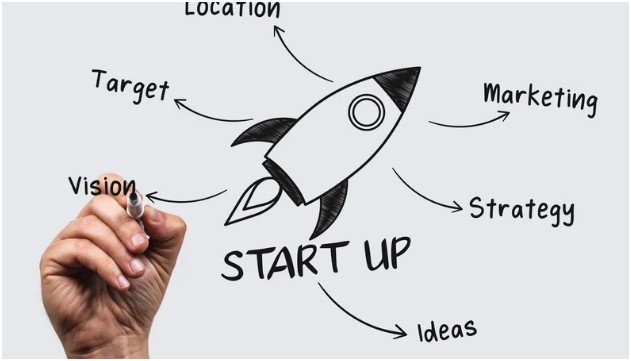
This is where most beginners protect their money or lose it. A business idea is not validated because friends say it sounds good. It is validated when the right customer shows intent, gives details, joins a waitlist, books a call, or pays.
The SBA recommends market research and competitive analysis before launching because research helps you understand customers, demand, pricing, and competitors. That step is even more important when money is limited.
Use the 48-Hour Cash Test
My favorite original test is the 48-hour cash test. Pick one offer, one customer type, and one clear result. Then try to get a real sales signal within two days.
For example, imagine a beginner wants to launch a home organization service. Instead of buying bins, labels, uniforms, and a website, they create one offer: “Two-hour kitchen reset for busy families.” They message 30 local prospects, post in two community groups, and ask for three paid trial bookings at a starter price.
If nobody replies, the offer needs work. If people ask questions, the pain exists. If two people book, the business has a pulse. That is how to start a small business with limited money without gambling the whole budget.
Build the Smallest Version First
A Minimum Viable Product is not a low-quality product. It is the smallest useful version that proves demand. For a cleaning business, that might be one service package. For a template shop, it might be one downloadable planner. For consulting, it might be a one-hour audit.
I avoid building ten packages at the start. Too many choices slow buyers down and make operations messy. One clear promise is easier to sell, deliver, and improve.
Use Free and Cheap Tools Without Looking Cheap

Free tools can support a professional launch when used with discipline. A one-page website on a low-cost platform can explain the offer. Canva can handle simple brand graphics. Google Workspace, Google Docs, Google Sheets, Notion, Trello, and free social accounts can manage early operations.
The trick is consistency. Use one business name, one short value promise, one contact method, and one visual style. A beginner does not need expensive branding to look trustworthy. They need clarity.
For marketing, I would focus on channels where buyers already spend time. LinkedIn works better for B2B services. Instagram and TikTok can help visual products. Facebook groups and Google Business Profile can help local services.
Keep Overhead Low Until Revenue Proves the Idea
Overhead is dangerous because it keeps charging you even when sales are slow. Rent, subscriptions, payroll, storage, and big equipment can crush a new business before it learns how to sell.
When I think about how to start a small business with limited money, I separate “needed now” from “nice later.” A home office beats rented space. Borrowed tools beat new equipment. Bartering can beat cash payments. Doing customer service yourself beats hiring too early.
This does not mean being cheap with customers. It means spending where the customer feels value. A reliable delivery time matters more than a premium logo. A clean invoice matters more than a custom app.
Handle the Legal and Money Basics Early
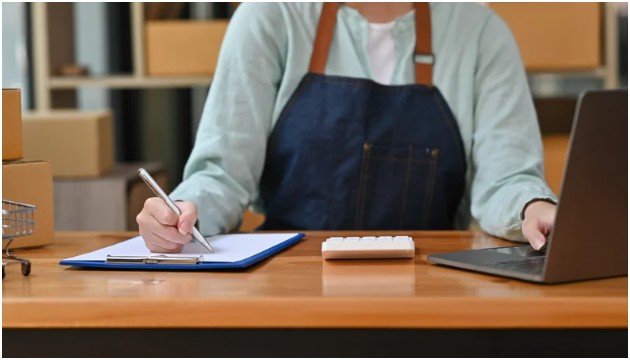
A lean launch still needs clean records. I would not wait until tax season to organize money. Messy finances make a small business feel bigger, riskier, and more stressful than it needs to be.
Separate Business and Personal Money
Open a separate business bank account when possible. Track every dollar in and out. Keep receipts. Record software, supplies, mileage, payment processing fees, and marketing costs.
The SBA says calculating startup costs helps estimate profits, conduct break-even analysis, secure funding, attract investors, and track deductions. That is useful even when the business starts from a kitchen table.
Choose the Right Structure and EIN Path
Your structure affects taxes and paperwork. The IRS lists common business structures such as sole proprietorships, partnerships, corporations, S corporations, and LLCs, and says legal and tax considerations matter when choosing one.
For many solo beginners, a sole proprietorship may be the simplest starting point. For businesses with liability risk, partners, employees, or larger contracts, an LLC or another structure may make sense. A tax professional can help before decisions become expensive.
The IRS also provides EINs directly online for free and warns that you never need to pay a fee for an EIN. That detail matters because beginners often waste money on third-party sites that charge for something available from the IRS.
Reinvest Early Profits Like a Builder, Not a Buyer
Early revenue should not become early lifestyle spending. I like reinvesting first profits into tools that remove bottlenecks or bring more customers.
If the first $500 comes in, I would not buy a new laptop unless the current one blocks delivery. I would spend on better fulfillment, a simple paid ad test, a booking tool, improved packaging, or a contractor for one task that saves time.
Delay personal pay if the business can handle it. Keep fixed costs light. Upgrade only when the current system limits growth. That is the quiet discipline behind how to start a small business with limited money and survive the messy first stage.
A simple rule works well: reinvest in sales, delivery, and trust first. Buy comfort later.
FAQs
1. How can I start a small business with no money?
Start with a service, pre-sell the offer, use free tools, work from home, and reinvest the first customer payments.
2. What is the cheapest small business to start?
Freelancing, cleaning, tutoring, consulting, pet sitting, digital templates, and local services are often among the cheapest options.
3. Do I need an LLC to start a small business?
Not always; many solo owners start simply, but liability, taxes, partners, and state rules may make an LLC worth considering.
4. How do I start a business if I cannot afford inventory?
Use services, digital products, pre-orders, print-on-demand, drop-shipping, or a small batch funded by early customer payments.
Final Take: Build Lean, Stay Sharp, Get Paid
The best answer to how to start a small business with limited money is not “wait until you have more.” It is “sell something small, prove demand, and protect your cash.”
I would start with one lean offer, one clear customer, one free or cheap sales channel, and one simple way to collect payment. Then I would test fast, deliver well, and reinvest carefully. Fancy can wait. Paid proof comes first.