





Stepping up your online security setup can sometimes feel exactly like tracking down a rare vintage vinyl record. You know the masterpiece exists, but finding the authentic copy takes an extra layer of validation.
Navigating the modern internet without proper protection leaves your personal data highly vulnerable to automated brute force attacks. Understanding how does two factor authentication work is the absolute best way to build a digital fortress around your accounts.
The core concept relies on a beautiful blend of history and strict technical verification. Decades ago, massive mainframe computer systems used basic physical punch cards or simple geometric patterns alongside early alphanumeric codes.
This duality evolved directly into what we now recognize as multi-layered digital security. Think of it as a double lock system protecting your most valuable assets from global threat actors.
Using a single, static password to lock your bank accounts or email portals is no longer sufficient. Sophisticated data leaks happen constantly, exposing billions of credentials onto underground digital marketplaces.
By introducing a secondary verification checkpoint, you ensure that even a compromised password does not grant an intruder access to your data. Let us dive deep into the inner workings of this essential modern technology.
Key Takeaways
- Passwords alone cannot stop modern cyberattacks or data breaches.
- Two-factor authentication combines independent factors for secure access.
- Time-based codes refresh every 30 seconds to block hackers.
- Authenticator apps and hardware keys beat vulnerable SMS codes.
- Activating this defense layer stops bulk automated digital theft.
Relying on Single Passwords Is a Total Disaster
Imagine leaving the front door of your house wide open and relying solely on a tiny welcome mat to scare away burglars. That is exactly what you are doing when you refuse to learn how does two factor authentication work for your daily profiles. Passwords are leaked in bulk every single day, meaning a single layer of protection is practically a digital tragedy waiting to happen.
Cybercriminals use automated scripts that test millions of leaked password combinations within seconds. If you reuse phrases across multiple websites, a breach at one minor online store could compromise your primary email and banking profiles. Relying on a single lock means you are giving hackers an easy path to your identity.
Modern security requires a dynamic strategy that assumes your password will eventually be compromised. By shifting your mindset toward multi layered defenses, you create an environment where a stolen password is completely useless to an attacker. This proactive approach turns your vulnerable profiles into highly secure digital strongholds.
The Three Fundamental Categories of Verification Factors
The underlying framework of advanced access control relies entirely on combining different categories of proof. Security professionals split these identifiers into separate buckets to guarantee true independent validation.
Knowledge Barriers
The traditional password or personal identification number acts as your primary layer of defense. This secret string of text is stored as a cryptographic hash on the service provider database. While convenient, human error often leads to weak choices or recycled phrases across multiple platforms.
Possession Assets
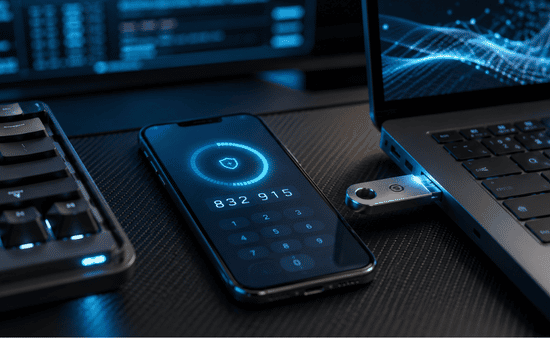
The second layer requires possession of a distinct physical or software based token. This could be a smartphone running a dedicated application, an encrypted USB token, or a specialized device. This object must generate unique, time sensitive variables that cannot be easily intercepted by an external party.
Inherence Markers
Biometric markers represent the third major category used in enterprise level infrastructure. Your fingerprint geometry, iris structures, or facial features provide uncopyable physical signatures. These traits are scanned locally on your hardware to unlock the cryptographic keys required for validation.
Deconstructing the Sequence of a Secure Login
When you enable this protective layer on an online account, the verification process unfolds systematically. The entire interaction takes only a few seconds but involves complex handshakes behind the scenes.

The Initial Gate
The process starts normally when you input your standard username and unique password into the login portal. The remote server validates these credentials against its secure database to confirm the first phase of identity matching. If the password is correct, the system pauses the login sequence instead of granting immediate account access.
The Verification Challenge
Once the first phase clears, the system automatically triggers a request for your secondary piece of evidence. The website prompts you to provide a dynamic token or physical confirmation before the session is authorized. This roadblock ensures that a remote attacker who merely bought your password cannot proceed any further.
Evaluating the Different Types of Second Factors
Modern technology provides several distinct methods for satisfying the secondary security challenge during login. Each method offers a different balance of user convenience and cryptographic strength.
Authenticator Applications
Apps like Google Authenticator generate time based codes that change every thirty seconds based on a securely shared secret key. This method operates entirely offline on your device, meaning it cannot be intercepted by cellular network vulnerabilities. It represents the baseline standard for secure consumer protection.
SMS Text Codes
The website texts a temporary numeric code to your registered mobile number, which you type into the login screen. While incredibly common and user friendly, this method remains vulnerable to sophisticated intercept tactics like SIM swapping that hackers use to hack phones. Security professionals generally recommend moving away from text based verification when better alternatives exist.
Push Notifications
The service sends an automated prompt directly to a registered mobile device asking if you are trying to log in. You simply tap an approve button on your screen to instantly satisfy the second factor requirement. This method minimizes user friction while maintaining a high level of security.
Cryptographic Hardware Keys
You plug a physical USB key or connect a Bluetooth token like a YubiKey to your device and tap it physically. This method utilizes asymmetric public key cryptography to prove your physical presence at the machine. It is currently the most secure defense against advanced phishing campaigns.
Real World Application of 2FA
Implementing advanced verification protocols requires a strategic approach to avoid common operational pitfalls. Following proper setup procedures keeps your valuable records completely insulated from sophisticated social engineering campaigns.

To implement this defense effectively, access the security configuration panel of your chosen online service. Look for the multi factor settings and select the option to add an authenticator application. The website will display a unique QR matrix containing the shared cryptographic seed file. Scan this pattern using your mobile camera within your preferred security app to instantly link the account.
The application will immediately begin generating cycling six digit verification codes. Copy the active number back into the website interface to finalize the activation sequence. Store the provided emergency recovery sheets in a highly secure, offline physical location. If your primary phone gets lost or damaged, these alphanumeric backup codes are your only way to regain entry.
Frequently Asked Questions
1. Can I still get hacked if I have 2FA?
Yes, sophisticated phishers can steal active session cookies or use reverse proxy servers to intercept codes in real time. Swapping your phone SIM card also intercepts vulnerable SMS codes, making app based or physical hardware verification methods far superior.
2. What’s the main disadvantage of two-factor authentication?
The prominent drawback is the added friction during daily logins and the risk of complete account lockout if you lose your phone. Forgetting your offline emergency recovery keys can make restoring access to account data incredibly complex.
3. What happens when you turn on two-factor authentication?
The host platform immediately demands a secondary verification token whenever a login attempt originates from an unrecognized browser or device. Your standard password alone will no longer be enough to grant access to the account profile.
4. How to work two-factor authentication?
The system operates by requesting your password followed immediately by a dynamic, time sensitive code or biometric prompt. Access is approved only when both independent factors match the calculations performed on the remote secure server.
Lock It Down and Stay Safe Out There
Securing your presence online requires adapting to an evolving digital environment. Incorporating robust protocols into your workflow ensures your critical databases remain impervious to credentials theft. Understanding how does two factor authentication work keeps your data safe while reducing reliance on brittle, legacy passwords. Take control of your network boundaries and protect your technological assets today.